
Take your time.
Put the kettle on.
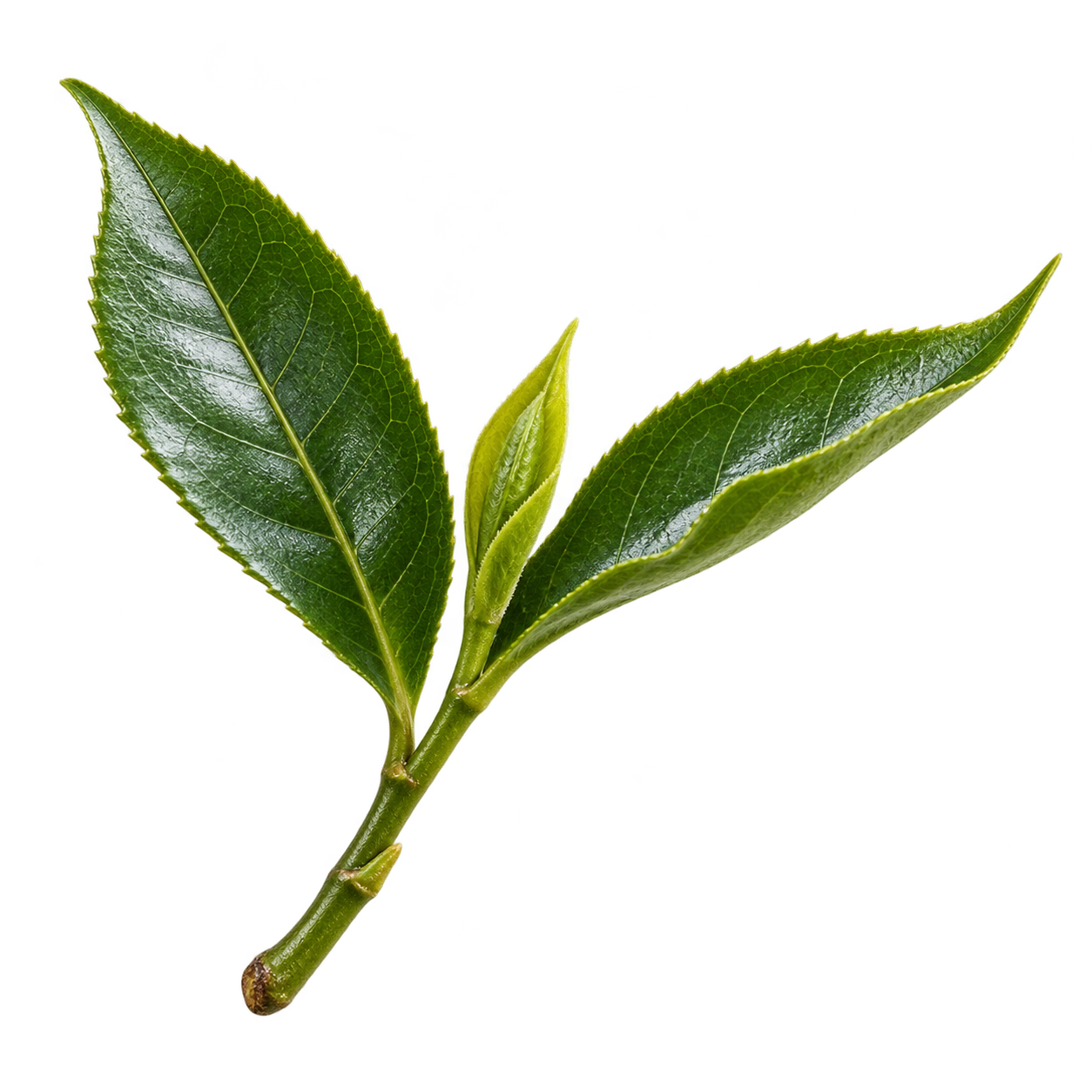
Store everyday loose leaf tea in a well sealed, food suitable container in a cool, dry cupboard, away from sunlight, steam and strong smells. Use a dry spoon and close the pack promptly. In a humid kitchen, how often you expose the leaves matters as much as the container.
A tea corner beside the kettle looks convenient. It can also put your open pouch close to repeated steam. Before buying a new storage tin, move the tea to a better location and check how you handle it each day.
Start with the cupboard
The UK Tea and Infusions Association advises keeping tea cool and dry, away from strongly scented foods. Its brewing guidance makes storage part of a good cup.
For a typical kitchen, choose a cupboard away from the hob, sink and direct window light. Keep tea separate from open masala packets and strongly scented household products. Avoid a shelf where condensation regularly forms.
Choose a container you can actually keep closed
| Storage choice | Practical check |
|---|---|
| Original resealable pouch | Keep the seal clean and close it fully |
| Opaque food storage tin | Check the lid fit and ensure the inside is dry |
| Clear glass jar | Keep it in a dark cupboard rather than on display |
| Reused spice container | Avoid it if any old smell remains |
| Large family pack | Consider a smaller daily portion, with the rest sealed |
Do not judge a seal by appearance alone. A decorative lid that sits loosely on a jar is different from a storage closure designed to limit air exchange. Pick a container you can open, use and close without leaving tea scattered around its rim.
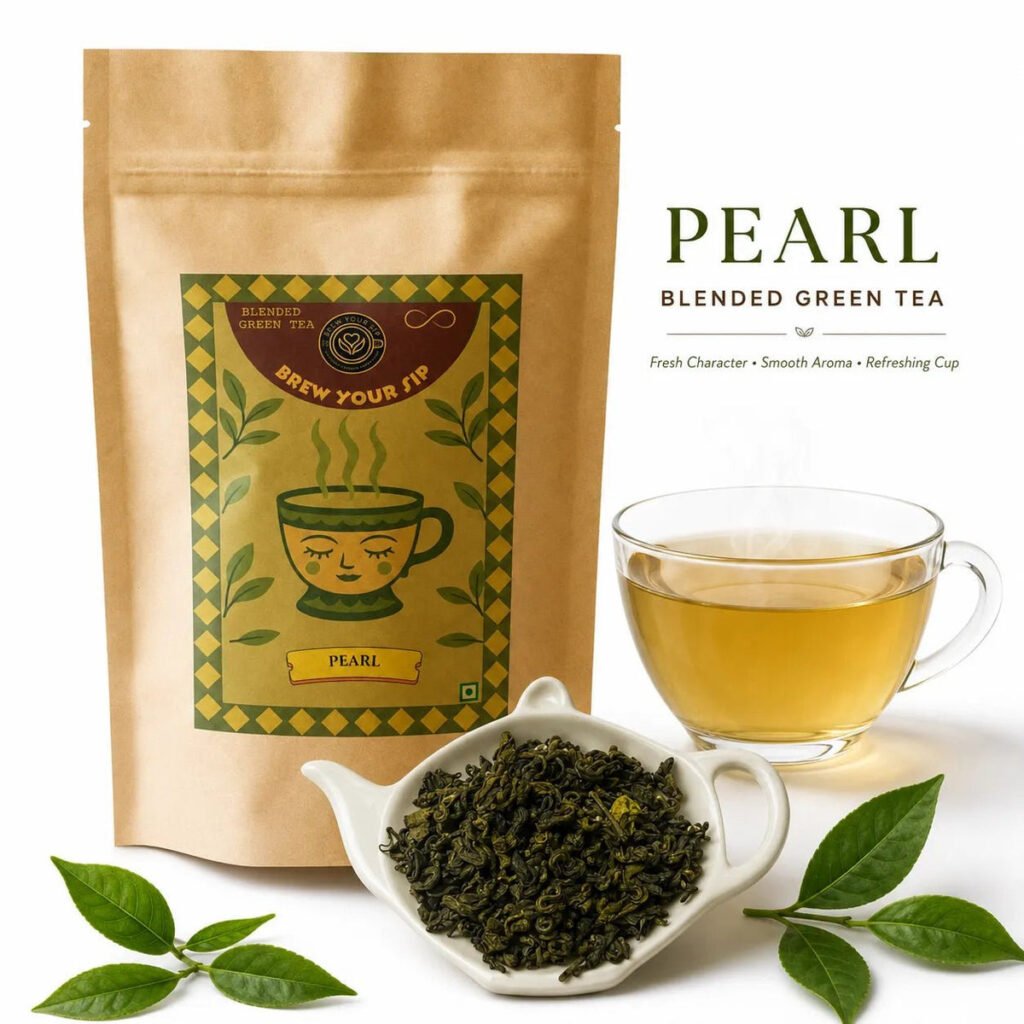
A daily routine for humid weather
- Measure the tea before the saucepan or kettle starts producing steam.
- Use a clean, completely dry spoon.
- Close the pouch or tin before brewing.
- Return it to the cupboard instead of leaving it on the counter.
- Keep the packing date and other label information with the tea.
If several people use the same pouch, agree on a simple rule: measure first, close it, then brew. A good container cannot protect leaves while it is standing open beside a boiling pan.
Should you store everyday tea in the fridge?
For a pouch opened daily, follow the maker’s instructions and choose a dry cupboard unless the product specifically directs otherwise. Do not improvise refrigeration without considering moisture when cold packaging is opened in warm air.
Specialist storage for some teas can differ. This guide concerns ordinary opened green, black and blended teas used at home. It is not a storage method for teas deliberately aged under controlled conditions.
Buy the quantity your routine can use
Work backwards from your dose. At 2 g each day, a 100 g pouch contains about 50 daily portions. At 5 g each day, the same pouch contains about 20. These are planning calculations, not shelf life claims.
If you rotate among many teas, buy smaller amounts of each. A large pack only saves money if you enjoy using it. Keep newer packs behind older ones and avoid topping up an old container without cleaning and drying it first.
Common questions
Does tea last forever if I keep it dry?
No universal shelf life applies. Follow the pack’s best before and storage instructions. Aroma can fade even when the leaves appear unchanged.
Can I rescue damp or mouldy tea by brewing it?
Do not use visibly mouldy tea or tea with a clearly abnormal damp smell. Replace it and check the storage problem.
Where should I begin if I drink tea occasionally?
Choose smaller quantities such as our green tea sampler. Keep each variety sealed separately and note which one you finish most readily.