Blogs · 11 March 2025
Tea During Pregnancy: Assam Tea, Caffeine and Herbal Options
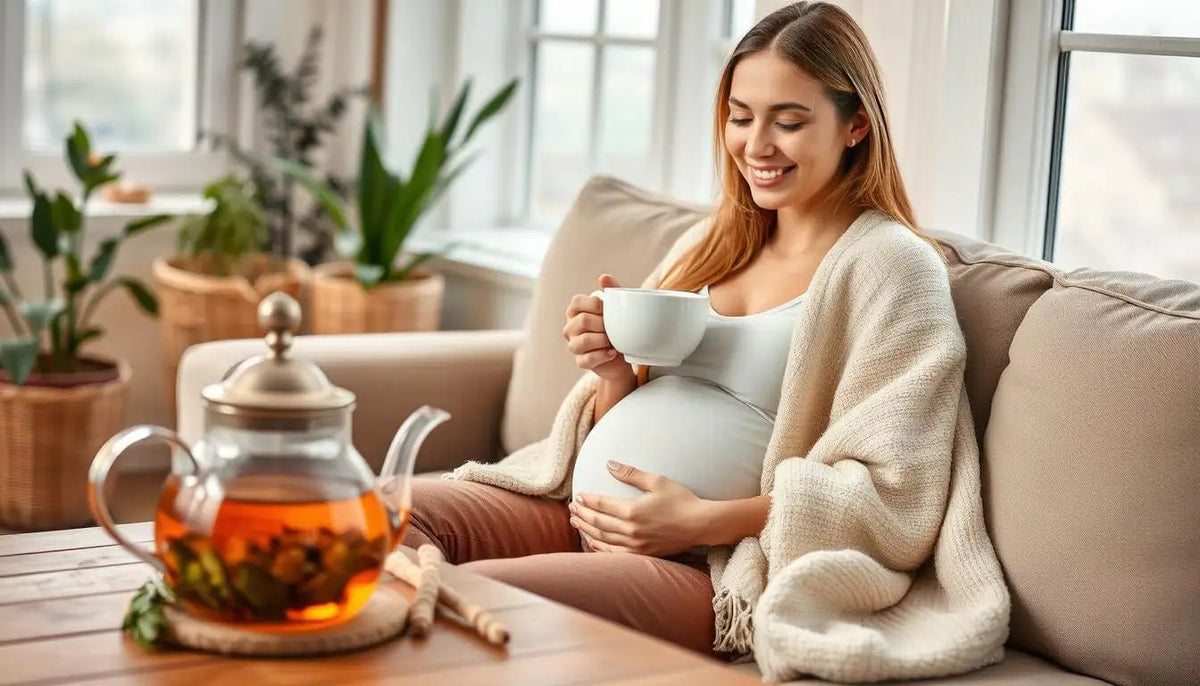
Assam tea can fit within pregnancy caffeine guidance, but the amount in your cup and your total daily intake matter. Assam black tea and Assam CTC chai contain caffeine. A large or strongly brewed mug can contribute more than a small cup, so there is no single cup allowance that works for everyone.
Use this guide to prepare questions for your obstetrician or midwife. It is general information from a tea retailer, not a personalised pregnancy recommendation.
Is Assam tea safe during pregnancy?
The NHS advises no more than 200mg of caffeine a day during pregnancy, counting all food and drinks. That includes Assam tea, masala chai, green tea, coffee, cola, chocolate and any medicines or supplements containing caffeine. Your clinician may advise a lower intake.
Tea origin alone does not determine its caffeine content. Leaf quantity, brew strength and cup size vary. Milk changes the taste and concentration of chai, but it does not remove caffeine already extracted from the leaves.
How much caffeine is in a cup?
The NHS uses about 75mg for a cup of tea as a practical estimate. It is not a laboratory measurement of Brew Your Sip Assam tea. Use product-specific information when available, and do not treat a shorter steep as a reliable method of decaffeination.
| Drink | Contains caffeine? | What to consider |
|---|---|---|
| Assam black tea or CTC chai | Yes | Count each serving and check how much leaf you use |
| Masala chai | Yes, when made with regular tea | Check both the tea base and the spice ingredients |
| Green tea, including rose or mint green tea | Yes | Flowers or herbs do not remove the base tea's caffeine |
| Decaffeinated tea | A smaller amount remains | A useful alternative when reducing caffeine |
| Herbal infusion | Depends on the ingredients | Caffeine-free does not establish pregnancy safety |
A simple way to check your daily intake
Write down every caffeinated drink and its size. For example, using the NHS estimates, one tea at 75mg plus one instant coffee at 100mg totals 175mg before chocolate or other sources. Two teas at that estimate total 150mg. These examples explain the calculation; they do not guarantee that your own cups contain those amounts.
If the strength is uncertain, choose a smaller serving or a decaffeinated alternative and discuss your routine with your maternity team. Keep a note of the actual product and how you prepare it, since that is more useful than simply saying you drink two cups.
Which alternatives should you consider?
Water and decaffeinated versions of familiar drinks are straightforward options when your goal is to reduce caffeine. For herbal teas, take the full ingredient list to your clinician before making a blend part of your daily routine, particularly if you take medicines or have a pregnancy complication.
Ginger and peppermint blends
Check whether the pack contains only the named herb or also regular tea, other botanicals or extracts. A food-style infusion and a concentrated supplement are different products. Do not use a tea to replace assessment or treatment for persistent nausea or other pregnancy symptoms.
Chamomile and other flower teas
NCCIH notes that little is known about chamomile safety during pregnancy. Do not assume chamomile, rose or butterfly pea is suitable for you simply because it is plant-based. Ask about the specific blend and serving amount.
Raspberry leaf and pregnancy-labelled blends
A pregnancy label is not a substitute for advice from your own maternity team. Do not start a blend to induce labour or prepare the uterus based on a tea blog. Ask your obstetrician or midwife whether there is a reason to use it in your circumstances.
What should you avoid?
The NHS advises avoiding herbal teas containing liquorice root and limiting herbal tea because pregnancy research is limited. Avoid unknown mixed-herb preparations or concentrated extracts whose ingredients and doses you cannot identify. Read the complete list rather than judging the pack by its front label.
Reading Brew Your Sip product descriptions
Our Assam chai and regular green teas are caffeinated. Rose Green Tea and Mint Green Tea also contain caffeine because they include green tea leaves. The presence of chamomile or butterfly pea elsewhere in a sampler does not make the whole set caffeine-free or suitable for pregnancy.
For general tea information, see our brewing guide and herbal tea ingredient guide. Neither guide is a list of approved pregnancy products.
Frequently asked questions
Can I drink Assam tea every day while pregnant?
It depends on the serving, other caffeine sources and your clinician's advice. Count total caffeine rather than relying on a fixed number of cups.
Is green tea caffeine-free?
No. Regular green tea contains caffeine, including blends with mint, rose or jasmine.
Does adding more milk make chai caffeine-free?
No. It dilutes the drink but does not remove the caffeine in the tea you have brewed.
Are all herbal teas safe during pregnancy?
No. Safety depends on the ingredients, amount and your circumstances. Ask your maternity team about the exact product.
Updated 10 September 2026. Sources linked above: NHS pregnancy food and drink guidance, and NCCIH chamomile safety information.
0 comments